Three Days Without a Round: A Community Protocol for Postal Suspensions
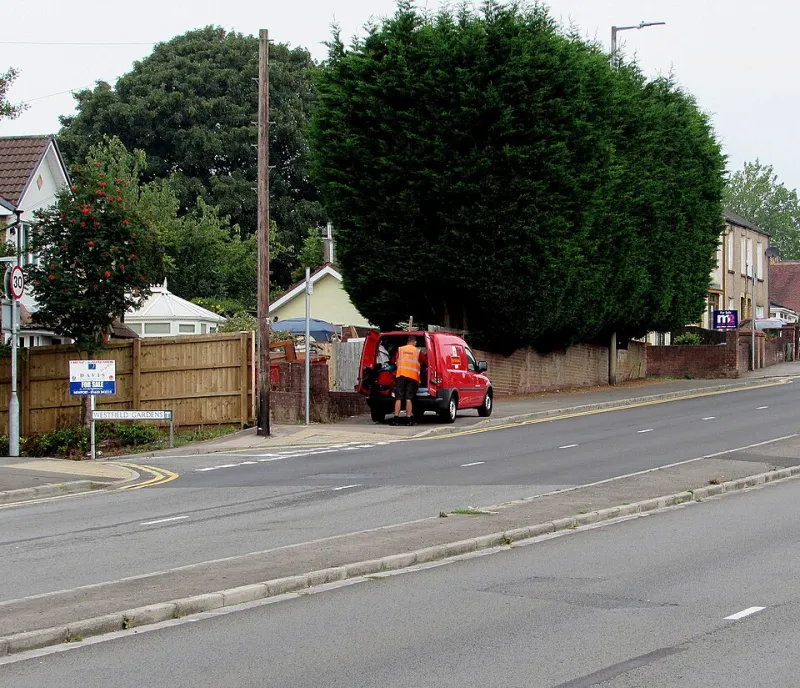
Photo: Jaggery , CC BY-SA 2.0, via Wikimedia Commons
A postal suspension rarely arrives with a formal letter. More often it begins as an unexplained gap: no letters on Monday, no parcels on Tuesday, and by Wednesday a neighbour mentions that the same thing has happened on the next street. Whether the cause is a staffing shortage, an access issue, a delivery office restructure or a localised disruption, the effect is the same. Mail stops moving, and uncertainty takes over.
This protocol is not an argument about why suspensions happen. It is a calm, practical toolkit for the first three days. It is designed for households, residents' associations, tenants' groups, parish councils and anyone who finds themselves asking why the van did not come. The aim is to move from rumour to record, from record to representation, and from representation to a clear answer.
First 24 Hours: Confirm, Record, Notify
The first task is to separate a genuine suspension from an ordinary delay. Check Royal Mail's official service update pages and your local delivery office's recorded information, if one is available. Look for a specific reference to your postcode area, not a general warning about industrial action or weather. If a notice has been posted on a lamppost, community board or building entrance, photograph it in place and note the date, time and exact wording. A suspension notice should identify the area affected and, ideally, say what residents should do about urgent mail.
Begin a simple incident log. Record the date, the streets affected, the types of mail expected, and any missed deliveries. Ask neighbours to do the same, but keep the record factual. Note whether there was any attempt at delivery, whether a collection point was suggested, and whether the suspension applies to letters, parcels or both. If vulnerable residents are waiting for medical correspondence, benefits decisions, immigration documents or school admissions letters, record that too, without disclosing personal details unnecessarily.
Notify a small circle of neighbours the same day. A short message on a residents' group or a printed note in communal areas is enough. The purpose is not to alarm people but to establish a shared record. Identify anyone who may be especially affected: older residents, people with disabilities, households waiting for hospital appointments, and those who rely on paper bills or cheques. Ask whether they need help arranging a collection or contacting the sender.
Day Two: Make Contact in Writing
On the second day, contact Royal Mail through its customer service channels and, where possible, in writing. Keep the message short and specific. State the postcode or street, the dates on which deliveries were missed, and any notice you have seen. Ask three questions: Is there a formal suspension in place? What is the expected duration? What alternative arrangements are available for urgent mail? Ask for a reference number and keep it with your log.
If you are acting for a group, nominate one or two people to make contact so that the case is consistent. Avoid a stream of separate complaints that may be treated as isolated queries. A concise collective message, backed by a dated log, is more useful than a long list of grievances.
At the same time, contact your local councillor and, if the issue affects a wider area, your MP. Ask them to raise the matter with Royal Mail and to confirm what they have been told. It is reasonable to request that they seek clarity on whether the suspension is operational, temporary or part of a longer change to the delivery network. Keep the request neutral and evidence-based. Representatives respond best to a clear timeline and a specific ask.
Day Three: Escalate Carefully and Publicly
By the third day, the priority is to prevent the issue from becoming normalised. If Royal Mail has not provided a satisfactory answer, consider contacting the regulator, Ofcom, through its formal complaints process. Ofcom does not resolve individual delivery complaints, but it does monitor service performance and can use evidence of repeated or widespread failures. A short summary with dates, locations and reference numbers is more effective than a general complaint.
Community groups should also consider a public update. This need not be confrontational. A factual notice on a community website or social media page can say what has happened, what has been asked of Royal Mail, and what residents should do with urgent mail. Invite people to add their experiences through a single form or email address. Avoid naming individual postal workers or making allegations about causes that have not been confirmed.
Local media may be interested if the suspension affects a significant number of households or vulnerable residents. Prepare a one-page briefing: the area covered, the dates, the number of households affected, the responses received from Royal Mail and representatives, and the specific outcome you are seeking. A clear request for information is more persuasive than an open-ended complaint.
What to Do With Urgent Mail
While a suspension is in place, ask senders to use alternatives where possible. Hospitals, banks and government departments may be able to send documents by email or arrange collection. For parcels, check whether a nearby delivery office or access point is accepting items and whether there are restrictions. Keep receipts and tracking numbers. If a resident cannot travel, ask the local council or a community group whether any support is available.
Do not assume that a suspension means mail is lost. It may be held at a delivery office or redirected when service resumes. Record what is missing so that you can follow up later. If important documents do not arrive within a reasonable period, raise a formal complaint and include the original incident log.
Keeping Momentum Beyond Day Three
The first 72 hours are about establishing facts and opening channels. After that, the task is to keep a record and follow up. Set a review date, perhaps one week after the suspension began. Ask Royal Mail and your representatives for an update in writing. If service resumes, note the date and whether any mail was delivered late or not at all. If it does not resume, escalate again with the accumulated evidence.
The van that never came is not simply a missing delivery. It is a test of how quickly a community can turn a shared experience into a clear record. A calm protocol will not resolve every suspension, but it will ensure that residents are not left guessing, that vulnerable neighbours are not overlooked, and that the question of what happened is put to the people who should be able to answer it.