Counting What Remains: A Street-by-Street Audit of Britain's Pillar Boxes

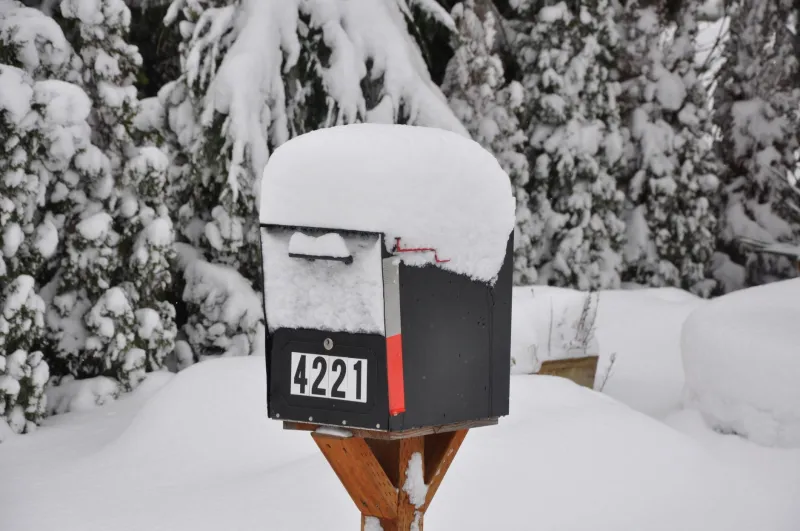
Photo: Pauline Eccles, CC BY-SA 2.0, via Wikimedia Commons
Why a postbox count matters
A pillar box is easy to overlook until it is gone. That is precisely why a local count is useful. Official access-point maps tell residents where Royal Mail says collection points exist. A street-level audit tells a different story: which boxes are sealed, which are overflowing, which require a bus journey to reach, and which have quietly disappeared from the pavement without a public explanation.
In 2026, with postal restructuring continuing across the country, communities need evidence rather than anecdote. A systematic count will not replace a formal consultation, but it can expose gaps between the service described in a dataset and the service people actually use.
Before you start: what you are counting
Distinguish between a pillar box, a wall box, a lamp box and a post office counter. They are not interchangeable. A sealed pillar box may still appear on a map as an access point; a post office counter may offer different services and shorter hours. Record what you find, not what you assume.
You will need a notebook or spreadsheet, a phone camera, a map app and a simple route plan. Work in pairs where possible, especially near busy roads. Do not open, touch or interfere with any box. Photograph from the public highway and avoid capturing number plates, faces or private property unnecessarily.
A simple field method
- Divide your area into walking routes of roughly 30 to 45 minutes.
- Record the location, box type, condition and collection-time plate for each box.
- Note whether it is active, sealed, damaged, overflowing or missing but still shown on a map.
- Photograph the front, the collection plate and the surrounding pavement context.
- Add the date and time. Conditions change, and a dated record is harder to dismiss.
Use a consistent identifier, such as a street name plus a postcode fragment. If a box has an official reference number, record it. If not, describe it clearly: 'red pillar box outside the north side of St Mary's churchyard'.
What removals and temporary seals look like on the ground
Not every disappearance is a formal removal. Some boxes are sealed with a notice and described as temporarily out of service. Others are removed during pavement works and never return. In conservation areas, listed structures and sensitive streets, local planning considerations can apply, but residents should not assume that a visible box is protected or that a sealed box will reopen.
Removals and access-point changes are meant to follow operational reviews, with Royal Mail reporting its access-point network to Ofcom. That does not mean every local decision is well explained. Ask for the decision record: when the box was taken out of service, why, what alternatives were considered, and what consultation took place. A count helps you ask those questions with specific locations and dates rather than general concern.
Compare local findings with official data
Once your count is complete, compare it with Royal Mail's access-point information and any local authority records you can obtain. Look for three things:
- Boxes listed as available that are sealed, damaged or missing.
- Streets where the nearest alternative is more than a short walk away, particularly for older residents or people with mobility needs.
- Clusters of removals or seals that together change the practical geography of posting in your area.
The numbers reveal patterns. One sealed box may be maintenance. Five sealed boxes across a town, each within a short distance of the next, begins to look like a change in service level. A cluster of gaps around a village edge or a housing estate is exactly the kind of evidence a local campaign can present to a council, an MP or a regional manager.
Turn the count into a campaign record
Write a short summary: area covered, number of boxes recorded, number active, number sealed, number missing and the longest walking distance to an alternative. Attach photographs and a map. Keep the tone factual. Avoid claiming that a box has been permanently removed unless you have written confirmation. Say what you observed and what you were told.
Send the record to your local councillor, MP and Royal Mail's regional customer service team. Ask for a written response. If you are told a seal is temporary, ask for the expected reopening date and the reason for the delay. If you are told a removal is complete, ask for the access-point assessment that supported it.
Keep counting
A single audit is a snapshot. A repeat count in three or six months turns it into a monitoring record. That is how residents move from complaint to evidence, and from evidence to a credible challenge. The postbox on your corner is not simply a piece of street furniture. It is part of the public service that binds a community together, and counting what remains is one practical way to defend it.