The Plate on the Postbox: A Practical Audit of Collection Times
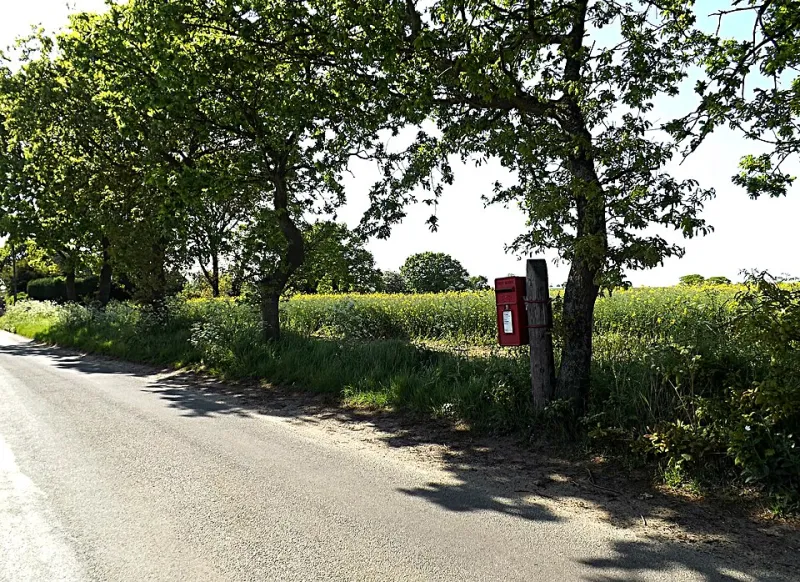
Photo: Geographer , CC BY-SA 2.0, via Wikimedia Commons
Collection times are among the least glamorous facts of postal life. They are also among the most revealing. A printed plate fixed to a postbox states when letters will be taken away, and when the final collection of the day is due. When that time moves earlier, or a Saturday collection is withdrawn, the change may appear minor on paper. For households paying bills by post, small businesses meeting invoice deadlines, patients waiting for NHS correspondence, and anyone who relies on same-day posting, it is not minor at all.
As of November 2026, communities across the UK are being asked to watch postal services closely. The plate on the postbox is a practical place to start. It is public, local and comparable. This guide sets out how to read it, record it and use what you find.
Why the final collection is the one to watch
A postbox may be emptied more than once a day, but the final collection is the deadline that matters most. It determines whether a letter posted in the afternoon will travel that evening or wait until the next working day. For a small business sending an invoice, a resident posting a cheque, or a family returning a hospital form, an earlier final collection can turn a same-day posting into a next-day or even later posting.
The plate is therefore more than a timetable. It is a statement about the service the community can expect. If the final collection moves from 5.30pm to 4pm, the practical effect can be a lost working day. If Saturday collections are removed, the effect can be a lost weekend. These are not abstract changes. They are changes to the rhythm of local life.
How to read a collection plate
Start with the obvious details. Note the exact wording on the plate, not just the times. Look for the days of the week, the final collection time, any Saturday arrangements, and any note about Sunday or bank holiday collections. Check whether the plate appears to be original or whether a sticker has been placed over older information. A sticker can be a legitimate update, but it can also obscure the previous timetable and make comparison difficult.
Photograph the plate in good light. Include the surrounding location so that the postbox can be identified later. If there is a postbox number, record it. If there is a notice of temporary disruption, record that too. Do not remove or alter anything. The aim is to create a clear, dated record.
Record what you find
A simple notebook or phone note is enough. For each postbox, record the location, the postbox number if visible, the collection times shown, the date and time you checked, and any obvious discrepancies. If the plate says one thing and a nearby notice says another, note both. If the plate is missing, damaged or illegible, record that as well. A missing plate is itself a transparency problem.
Where possible, compare the plate with any official information available locally. The point is not to assume error, but to identify where the public record and the printed notice do not match. Those gaps are worth reporting to the local delivery office, the council and your MP.
Compare across a town or constituency
One postbox tells you about one street. A set of postboxes tells you about a pattern. Work with neighbours, community groups or your local Save Our Royal Mail contact to build a simple map or spreadsheet. Record final collection times across urban and rural areas, note any Saturday reductions, and look for clusters of change.
Patterns matter. If several postboxes in one area have earlier final collections while nearby areas do not, that is a question worth asking. If rural boxes lose Saturday collections before urban ones, that is a question about fairness. If plates have been changed without public explanation, that is a question about transparency.
Put the findings to use
A collection of dated photographs and clear records is credible evidence. It can be shared with your MP, councillors, local newspapers and community newsletters. It can also support a request for information about who authorised the change, when it was decided, what notice was given, and what assessment was made of the impact on residents and businesses.
The questions are straightforward. Who made the decision? When did it take effect? What public notice was provided? How were rural and isolated communities considered? What is the expected effect on same-day posting and next-day delivery? How will the change be monitored? These are not hostile questions. They are the basic questions of public accountability.
A small plate, a larger argument
The plate on the postbox is a small thing. It is also part of the public record. Reading it carefully, photographing it consistently and comparing it locally turns a routine notice into evidence. In 2026, that evidence matters. A service that cannot be read clearly from the street is a service that is harder to defend. A community that documents what it sees is better placed to ask for transparency, consistency and fair treatment across town and countryside alike.