The People Behind the Round: Why Staffing Pressure Is a Service Issue

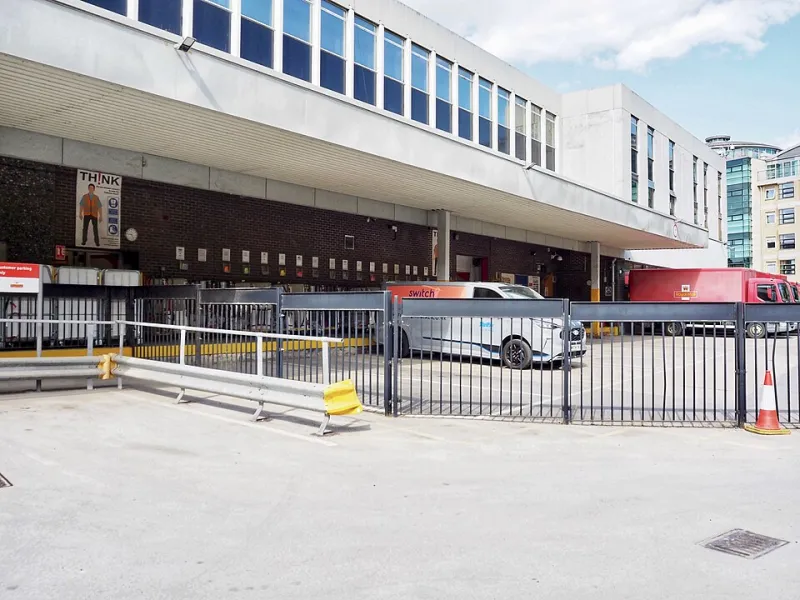
Photo: Philip Halling , CC BY-SA 2.0, via Wikimedia Commons
The round is a workforce, not a line on a map
When a delivery office is merged, a route is redrawn or a sorting operation is consolidated, the public discussion tends to focus on distance and timing. How far is the nearest access point? What time will the post arrive? Those questions matter. But behind every revised round is a postal worker trying to absorb new streets, unfamiliar building layouts, changed start times and a workload that may no longer fit the day.
Workforce pressure is not a separate industrial concern. It is one of the clearest early warnings of service decline. A delivery office that relies on overtime to finish ordinary rounds is not operating a stable service. It is borrowing time from its staff, and eventually that debt shows up in missed deliveries, later rounds, higher turnover and a loss of local knowledge that no route map can replace.
What changes when offices are consolidated
Restructuring rarely arrives as a single announcement. It arrives as a series of adjustments: staff moved to a larger site, start times brought forward, rounds combined, vans shared, and experienced posties asked to cover unfamiliar territory. In rural areas the effect is often sharper. A round that once began close to the communities it served may now begin many miles away, with the first delivery hour lost to travel.
Posties describe the consequences in practical terms. A route that was walkable in all weathers becomes dependent on a van. A familiar estate with locked gates and awkward access points becomes harder to complete when the regular worker is moved elsewhere. Overtime becomes normal rather than exceptional. New staff are asked to learn rounds quickly, while experienced colleagues cover gaps.
None of this is inevitable simply because an office changes. But it does need to be measured and disclosed. A service that is planned on paper without realistic staffing is a service that will fail at the doorstep.
Overtime as a warning light
Overtime can be useful. It helps cover sickness, seasonal peaks and unexpected absences. But when overtime is built into the ordinary working week, it stops being a cushion and becomes a structural dependency. It can mask understaffing, delay recruitment and hide the true cost of a route change. It also places pressure on workers who may feel unable to refuse extra hours.
For communities, the important question is not whether overtime exists. It is whether ordinary rounds can be completed within contracted hours, with realistic travel and sorting time, without regular reliance on overtime. If the answer is no, the service is being held together by goodwill and fatigue.
Sickness, retention and the loss of local knowledge
Staff absence and turnover are often treated as internal management matters. They are not. A delivery office with high sickness levels and frequent departures will struggle to maintain consistent rounds. New starters need time to learn. Experienced posties carry local knowledge that is difficult to codify: which doorbell works, which business needs an early call, which lane floods, which resident needs a little more time.
When that knowledge walks out of the door, service quality often follows. Complaints rise, redirects go astray, and customers find themselves explaining the same access problem to a different person every few weeks. In rural areas, where rounds are long and alternatives are few, the loss of a regular postie can be felt across an entire village.
What posties say — and why it should be heard
Postal workers are often reluctant to speak publicly about staffing. Some fear disciplinary consequences; others simply want to get on with the job. But their accounts are a valuable source of evidence. They can describe whether rounds are realistically timed, whether overtime is routine, whether agency staff are being used to cover permanent gaps, and whether management is listening to local knowledge.
Communities do not need to adjudicate every internal dispute to recognise a service risk. They can ask whether the workforce is stable enough to deliver the service that has been promised. That is a legitimate public interest question, particularly where Royal Mail's universal service obligations and quality-of-service reporting are concerned.
Questions to put to local managers and MPs
Residents and campaign groups can ask for information that is specific, reasonable and hard to answer with general reassurance. Useful questions include:
- How many delivery staff are currently employed at the office serving our area, and how many posts are vacant?
- What proportion of ordinary rounds require overtime to complete, and how is that monitored?
- What are the current sickness absence and staff turnover rates, and how do they compare with the period before restructuring?
- How many rounds have been revised in the past 12 months, and what assessment was made of travel time, access and workload?
- How many complaints about late or missed deliveries have been recorded, and what local factors are identified?
- What use is made of agency or temporary staff, and how are they trained on local routes?
Some of this information may be commercially sensitive. But MPs can write to Royal Mail, councils can raise concerns through scrutiny processes, and local managers can be asked for summary data rather than personal details. The aim is not to expose individual workers. It is to make visible the staffing conditions that shape the service everyone receives.
A service issue, not a side issue
Postal reform is often presented as a question of network design: which buildings stay open, which routes remain, which access points survive. Staffing belongs at the centre of that debate. A delivery office is only as good as the people who know its rounds, and a service is only as reliable as the working conditions behind it.
Communities defending their mail should therefore ask not only where the postbox is, but who delivers the letters and how much time they are given to do it. The answer will often reveal more about the future of the service than any map.