Two Names, Two Doors: Who Decides What Happens to Your Mail

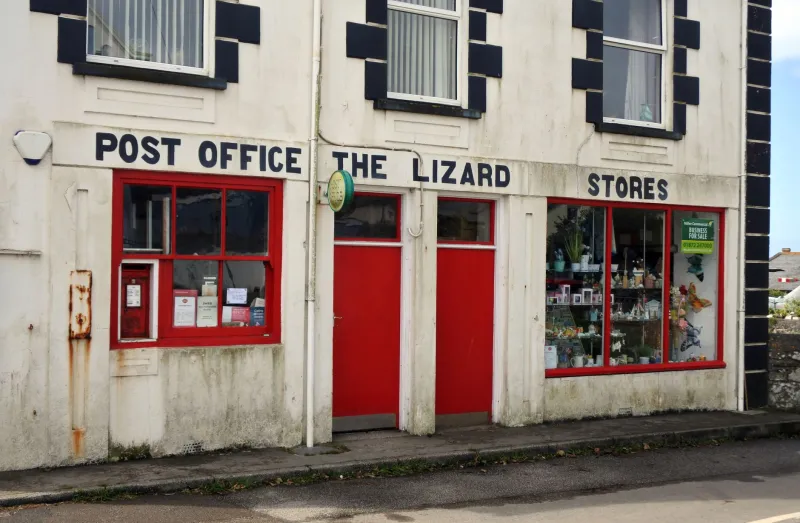
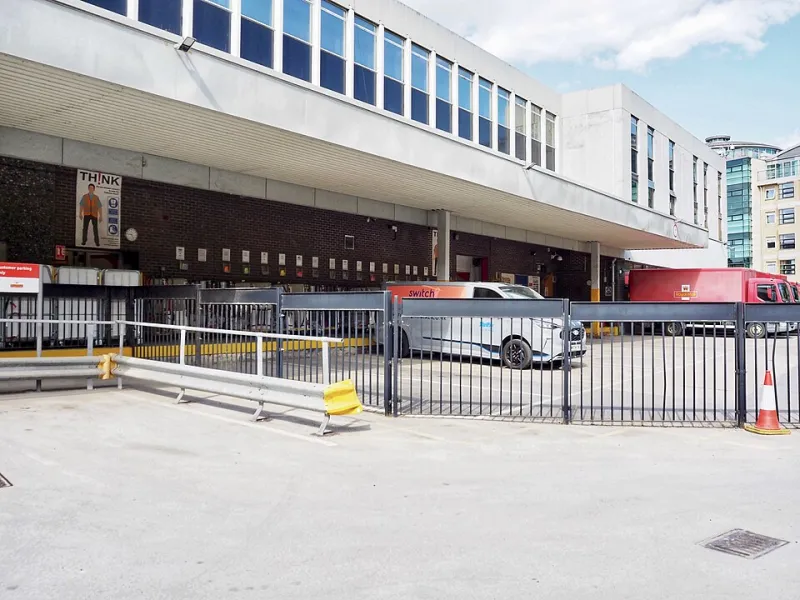
Photo: Tilman2007, CC BY-SA 4.0, via Wikimedia Commons
A single envelope, two institutions
A stamped letter is handled by Royal Mail. The counter where you bought the stamp may be run by the Post Office. A parcel dropped off at a village branch begins its journey with one organisation and is delivered by another. The two names appear together so often that they have come to feel like one service. They are not.
That confusion is not merely untidy. It is a problem for anyone trying to defend local services. Consultation documents, press releases and public statements routinely blur the boundary, leaving communities unsure who is actually closing what. Once people can name the right institution, they can ask it the right question. Consumer clarity is campaign armour.
Who owns what
Royal Mail is the company that collects, sorts and delivers letters and parcels across the United Kingdom. It is the universal service provider, which means it carries the legal obligation to deliver to every address in the country under regulated terms. It operates mail centres, delivery offices and the posties who walk the rounds. It is now a private company under new ownership.
The Post Office is a separate organisation. It runs the network of post offices and counters where people buy stamps, send parcels, collect pensions and access banking services. It is publicly owned, but it is not the same thing as Royal Mail and it does not deliver the mail. The two have a commercial relationship. They do not have a shared command structure.
The split is not new. Royal Mail and the Post Office were separated in 2012, and the distinction has mattered ever since. Ofcom regulates postal services. It is not the Post Office, and the Post Office is not the regulator.
Who decides what
Delivery, collection, sorting, tracking and redelivery are Royal Mail matters. If a parcel is late, a letter is missing or a postie has not called, the question belongs with Royal Mail. If a delivery office is being merged or a sorting facility is changing, that is Royal Mail's operational decision, subject to whatever consultation and regulatory rules apply.
Branch opening hours, counter relocation, post office closures and the services available over the counter are Post Office matters. A community may be angry about a moved counter and a merged delivery office at the same time, but they are not the same decision made by the same body. Treating them as one may feel satisfying. It is rarely effective.
Stamp prices and the terms of the universal service sit in a more complex space. Royal Mail proposes and operates; Ofcom regulates; the government has a legitimate interest in the service's future. A campaign that sends every postal concern to a single address will spend much of its energy being forwarded elsewhere.
Three everyday examples
A missed parcel is the clearest test. The tracking says it was delivered, but no card was left and nothing arrived. The right door is Royal Mail. The Post Office may have accepted the parcel over the counter, but once it entered the network the delivery duty passed to Royal Mail. Keep the receipt, because it shows where the parcel entered the system.
A moved counter is a different matter. If the post office in a village or suburb is relocating to the back of a shop, or closing altogether, the decision belongs to the Post Office. The local MP may be able to raise it, and the consultation process may be relevant, but writing to Royal Mail about a counter closure is likely to produce a polite redirection.
A delayed stamped letter is a Royal Mail issue. If the delay is isolated, the first step is the company's complaints process. If it is part of a pattern, Ofcom may be interested in the evidence. If a stamp price rises, the question is for Royal Mail and the regulator, not for the counter staff who sell the stamp.
Why rural communities need the distinction
In rural areas, the stakes are higher. One counter may be the only access point for miles. One delivery office may serve a wide and scattered community. When a service is threatened, the temptation is to treat every institution as part of the same distant machine. But blurring the names lets each organisation say that the other is responsible.
A delivery office merger can reduce local employment and change the time a letter arrives. A counter closure can remove the place where a parcel is handed over or a pension collected. Both matter. They require different evidence, different decision-makers and different campaigns. Naming the right institution does not weaken the argument. It sharpens it.
A short routing guide
If the issue is a missing letter, a late parcel, a failed delivery, a tracking error or a postie's round, ask Royal Mail. If the issue is a branch closure, a counter move, opening hours or conduct behind the counter, ask the Post Office. If the issue is a stamp price, a change to the universal service or a systemic failure across an area, ask Royal Mail and Ofcom, and involve your MP where the public interest is clear.
When in doubt, ask one question: who has the power to change this? The answer usually identifies the door.
The question that unlocks the door
Communities are often told that postal change is complicated. It is. But complication should not become a hiding place. The useful questions are simple: who is the decision-maker, what is the evidence, and what is the timetable? Once those answers are on paper, a campaign has something firmer than frustration. It has a route.