The Two-Speed Doormat: Advertising Mail, Essential Letters and the Sorting Divide
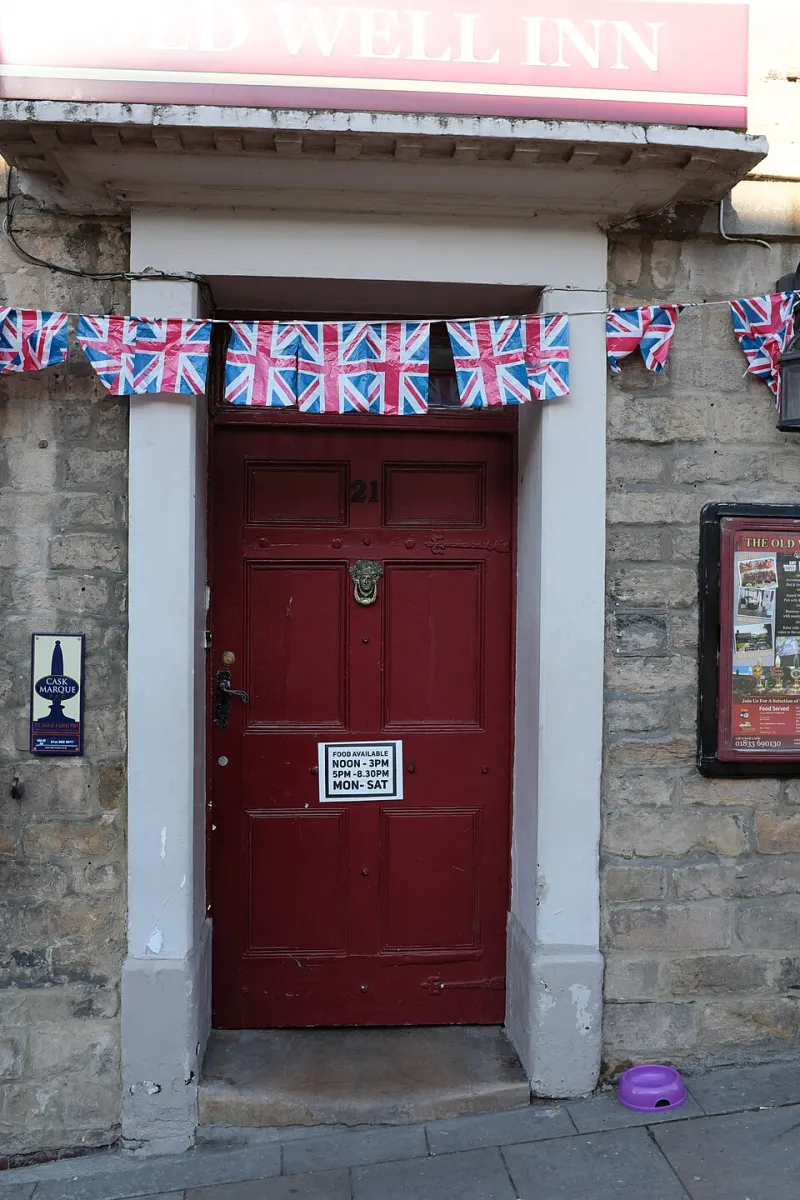
Photo: Bob Harvey , CC BY-SA 2.0, via Wikimedia Commons
It is a complaint heard in towns, villages and city suburbs alike. The morning brings a glossy leaflet for a pizza chain, a estate agent’s flyer and a supermarket promotion, yet the letter from the hospital, the bank or the council does not appear. For the resident, the contrast is jarring. If the postal service can reach this door with advertising, why can it not reach it with a first-class letter?
The question deserves a careful answer. It is not proof that advertising mail is formally more reliable than essential correspondence, nor that Royal Mail has abandoned the letter. But the two-speed doormat does reveal something important about sorting streams, commercial contracts and the way service performance is measured. As the 2026 service standards debate continues, communities should understand that divide and ask precise questions about it.
Why the leaflet can arrive first
Unaddressed advertising mail and first-class letters are not the same product travelling through the same pipeline. Bulk mail is often prepared in advance, sorted by the sender or a consolidator, and handed to Royal Mail under commercial arrangements. Much of it is unaddressed, meaning it is delivered to a route rather than to a named recipient. Addressed bulk mail may travel through downstream access arrangements, where competitors sort mail before handing it to Royal Mail for final delivery.
First-class letters, by contrast, can enter the network late in the day and must move through national sorting centres, local hubs and delivery offices before reaching the round. A delay at any point can hold up a single item while a bulk consignment, planned weeks earlier, arrives on schedule. The leaflet is not necessarily outrunning the letter on merit. It may simply be travelling on a different timetable.
There is also a visibility effect. A household may receive dozens of leaflets in a week and one essential letter. When the letter fails, the leaflets remain visible evidence of postal activity. The doormat becomes a crude performance dashboard, but it is not a fair one. Bulk mail volumes are large, repetitive and easy to notice. Essential letters are sporadic, personal and missed acutely when absent.
Contracts, routes and operational choices
Royal Mail’s commercial mail products are important to its revenue. Advertising mail helps fund the universal service, and unaddressed deliveries are a longstanding part of the postal market. Residents can opt out of unaddressed mail, but that choice should not affect essential correspondence. The existence of bulk contracts is not in itself a scandal. The legitimate question is whether operational pressure is being managed in a way that protects first-class letters when routes are short-staffed or delivery offices are reorganised.
Delivery offices work to local schedules. A bulk drop may be planned for a particular day and delivered alongside the ordinary round. If staffing is tight, managers face choices about what gets delivered first and what is held over. Those choices are rarely visible to the public. A resident sees the leaflet and not the letter, but cannot see the rota, the van plan, the sorting machine or the contract terms that shaped the day.
This is where the apparent paradox becomes a service-priority question. If bulk mail is delivered on a day when first-class mail is delayed, residents are entitled to ask whether the sequence was accidental or commercial. Royal Mail should be able to explain how it reconciles its contractual obligations with its universal service duties. Ofcom, as the regulator, should be able to show what it monitors and what it requires operators to publish.
What the doormat does not prove
It is important not to overread the evidence. A pile of flyers does not establish that Royal Mail prioritises advertising over hospital appointments. Bulk mail may be delivered by a separate team, under a separate contract, or on a route that happens to be fully staffed. First-class delays can stem from sorting errors, transport problems, addressing mistakes or local revisions. The leaflet is a prompt for inquiry, not a verdict.
Nor should residents blame the postie on the doorstep. Delivery staff work within the routes and schedules they are given. The more useful scrutiny is aimed at the design of the network: how bulk consignments are scheduled, how delivery offices are resourced, how service standards are reported and how complaints are recorded. A campaign about postal reliability should follow the mail through the system, not simply count what lands on the mat.
Seven questions to put to Royal Mail and Ofcom
Communities need practical routes into a complex system. Residents, parish councils and local representatives can ask the following questions, in writing, and keep the replies.
-
For a specific address and date, which stream did a delivered item travel on: unaddressed advertising mail, addressed bulk mail, first-class letter, second-class letter or tracked product? Royal Mail should be able to explain the difference in plain English.
-
What is the local delivery office’s published schedule for ordinary rounds, and how are bulk mail drops scheduled alongside them? Are bulk deliveries ever made on days when first-class mail is held over?
-
When staffing or transport pressure affects a delivery office, what instructions are given about the order of delivery? Are universal service items protected before commercial bulk consignments?
-
What complaint route applies to a missing first-class letter, and what record does Royal Mail keep of the inquiry? How does that compare with the route for a missing bulk item?
-
What performance information does Ofcom require Royal Mail to publish for first-class and second-class letters, and how is that information broken down locally? Residents should be able to see whether a problem is national, regional or tied to one delivery office.
-
How can a household opt out of unaddressed advertising mail without any risk to essential correspondence? What confirmation does Royal Mail provide, and how quickly should the opt-out take effect?
-
If a community believes its round is being run down, what evidence will the regulator accept? Delivery logs, dated photographs, complaint reference numbers and reports from local councillors can all form part of a record.
Building a record, not just a complaint
The doormat is a starting point. A useful campaign record should note dates, addresses, the type of mail expected and the type received. Residents can keep a simple log of missed essential letters and the advertising mail that arrived on the same day. Parish councils can raise patterns at meetings. MPs can be asked to put the questions directly to Royal Mail and Ofcom.
The point is not to pit one kind of mail against another. Advertising mail has a place in the postal economy, and many local businesses rely on it. The point is to ensure that the universal service is not quietly becoming a second-tier stream in its own right. A postal system that can reach every door with a takeaway leaflet should be able to explain why it cannot reach the same door with a hospital letter. In 2026, that is a question worth asking clearly, consistently and in writing.