The Doorstep Log: How Residents Can Build a Reliable Record of the Post
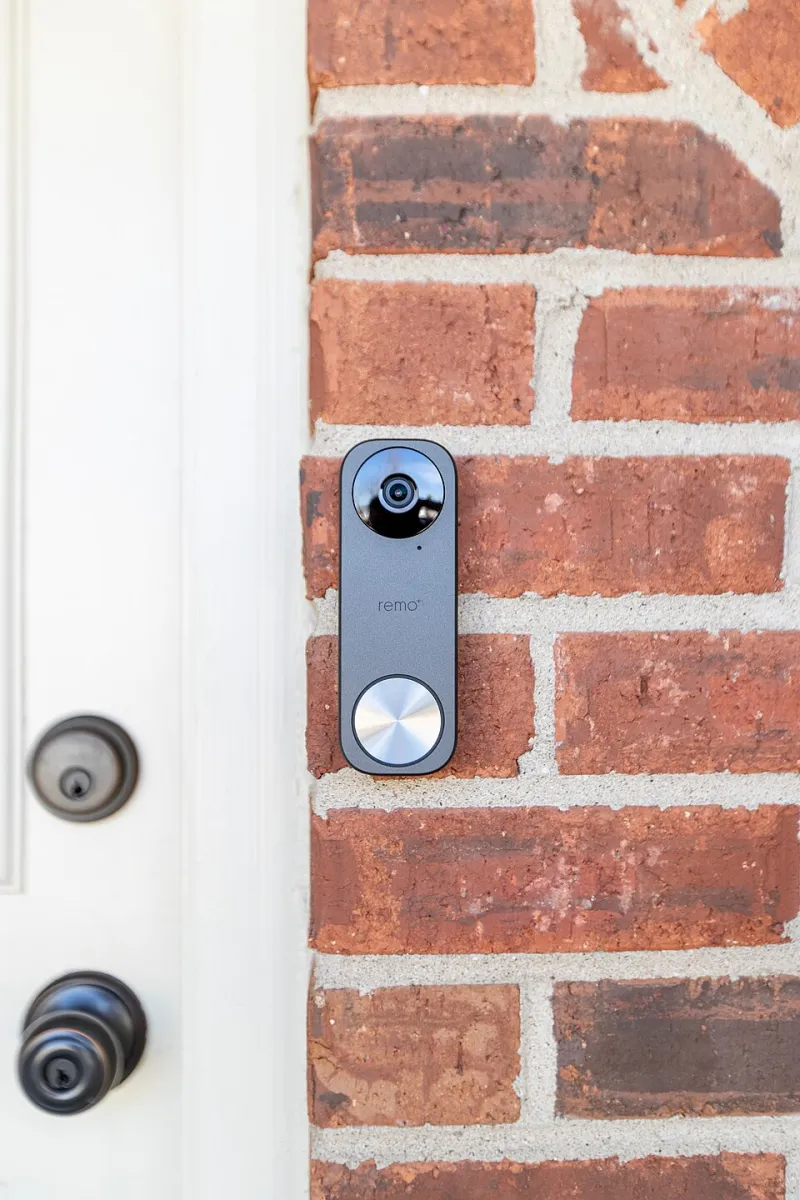
Photo: C05731, CC BY-SA 4.0, via Wikimedia Commons
Video doorbells have become a fixture of the British street. They record the moment a figure approaches, the moment a letter is posted, and, just as tellingly, the moments when nothing happens at all. For communities worried about the reliability of their mail, that footage is an unexpected resource. Handled with care, it can turn scattered household observations into a credible, street-level record of what the postal service is actually doing. Handled carelessly, it becomes a privacy problem and a distraction from the argument that matters.
This is not a call to point cameras at postal workers. It is a guide to a disciplined, proportionate method: one that treats the doorstep as a place of evidence, respects the law, and keeps the focus on the service rather than the individual who delivers it.
What the footage can, and cannot, establish
A doorbell camera can confirm a time-stamped event at one address: an arrival, a knock, the posting of a something-for-you card, or the absence of any visit at all. It can support a resident's account when a complaint is made. What it cannot do is explain why. It cannot show that a round was understaffed, that a delivery office was merged, or that a sorting error occurred two counties away. Footage is a witness to the doorstep, not to the system. Treat it as one tile in a mosaic: useful, but never sufficient on its own.
The legal baseline before the first recording
Most doorbells in a home setting fall within the household exemption in UK data protection law when footage is kept for domestic purposes. That exemption is narrower than many people assume. If images are pooled, shared publicly, or used to campaign, the processing may move outside the exemption and into the scope of the UK GDPR and the Data Protection Act 2018. The Information Commissioner's Office is clear that householders should still act reasonably: position the camera to cover your own curtilage, avoid overlooking a neighbour's garden or a public bench, consider whether audio is necessary at all, and set automatic deletion. Thirty days is a common, defensible default.
If a street decides to pool evidence, agree a written protocol before the first clip is saved. Name a data custodian. Define the single question the record is meant to answer. Decide what will never be collected: the faces of named workers, vehicle registration marks, footage of children, audio of conversations. Put a sign at the door, keep a retention schedule, and give people a way to ask what is held about them.
A method a street can actually follow
The value of doorbell evidence comes from consistency, not volume.
First, settle the question. A useful one is: on each recorded day, did a delivery attempt occur at this address, and was a card left if the item could not be delivered?
Second, keep the log simple. Columns for date, time, postcode sector, whether mail arrived, whether the doorbell recorded a knock, whether a card was posted, and whether the item was later collected from an access point. No names of staff, no speculation about motives.
Third, cross-check. Compare your log with Royal Mail's published collection and delivery times, and with what the local delivery office says its arrangements are. Where the two diverge, you have a factual question rather than a grievance.
Fourth, review at street level. At a residents' meeting, or through a group chat that has agreed to the protocol, add up the counts. Twelve households recording for six weeks will produce a more useful picture than one household recording for a year.
Fifth, redact before you share. Blur faces, crop to the letterbox, and present counts rather than clips. A table of dates and outcomes is more persuasive to an MP than a montage, and far less likely to cause harm.
From counts to a case
Evidence becomes a campaign when it is put in front of the right people in the right form. A short, factual note, with dates, postcode sector, the number of recorded attempts, the number of cards, and a comparison with the office's stated arrangements, can be sent to your MP, your councillor and Royal Mail's customer service team. Ask for a meeting with the delivery office manager.
Keep the framing on the service, not the individual. Postal workers are the people most exposed to the consequences of restructuring, and a campaign that treats them as the problem will lose public sympathy and local cooperation. Ask instead for the local plan: what round covers this street, what time it is scheduled, what happens during the festive peak, and what contingency exists when a walk is not covered.
Where a pattern persists, Ofcom is the regulator responsible for monitoring the universal service obligation. Royal Mail publishes national quality-of-service figures. Local logs help explain what those averages mean on a particular street. For individual complaints, the Royal Mail complaints process and, ultimately, the Postal Review Panel remain the formal route. Doorbell evidence supports that route. It does not replace it.
The limits of the lens
There is a point at which a reasonable record becomes a surveillance exercise. A street that films every visitor, retains footage indefinitely, or publishes clips of workers on social media has moved from audit to harassment. The test is simple: would you be comfortable explaining the protocol to the postal worker standing on your step? If not, revise it.
Set a review date of three months. If the service has improved, say so publicly and stop. If it has not, the record is now a baseline, something a new campaign, a new MP or a new regulator can use.
A doorbell is a small instrument. A street's shared, disciplined log is a civic one.
Take action this month
- Agree a one-page protocol at a residents' meeting, and nominate one person to hold the data.
- Check your camera's field of view, turn off unnecessary audio, and set automatic deletion.
- Start a single shared log for your street, covering one postcode sector and one clear question.
- Write to your MP with the first month's counts, and ask for a meeting with the delivery office manager.