Plain English or No Deal: A Community Glossary for Postal Restructuring
Photo: UK community meeting residents reading consultation documents near Royal Mail postbox, via c8.alamy.com
Postal cuts rarely arrive in plain language. They arrive as a programme of modernisation, a drive for efficiency, a transformation of the network or a change to access. The words are not neutral. They set the frame for what the public is invited to accept, and they can make a closure sound like an upgrade. In 2026, communities need a working glossary.
This is not an argument that every change is a cut. Some changes are genuine improvements, and some access points are useful. But when a service is being reduced, the language should say so. The following phrases are common in postal restructuring. For each, we set out what it can mean on the ground and what a plain-English version would sound like.
Why the Wording Matters
Consultation documents, press releases and correspondence from public bodies are not neutral containers. They choose what to count and what to leave out. A phrase such as improved access can direct attention to a new locker while quietly setting aside the loss of a staffed counter. A phrase such as modernisation can make staff reductions sound like progress.
Communities are not obliged to accept the first vocabulary they are offered. They can ask for the service in plain terms: what will stop, who will be affected, who decided, and what alternatives were considered. That is not obstruction. It is ordinary scrutiny of a public service.
Five Words to Watch
Modernisation
On the ground, this can mean new sorting equipment, revised delivery routes, fewer staffed hours or a shift to partner counters. It may be a genuine upgrade, but the word does not tell you who loses current service. Plain English would say: these transactions will no longer be available here, from this date, and this is the replacement.
Efficiency
Efficiency is usually measured in cost per item, staff hours or route length. It can mean fewer staff, longer journeys between stops or shared rounds. The public question is efficiency for whom, and at what service standard. A savings figure without a before-and-after service table is not a full account.
Transformation
A transformation programme can cover many changes at once, which makes it difficult for residents to see the individual losses. Ask for a postcode-level table showing what exists now and what will exist afterwards. If the organisation cannot produce that table, the transformation is not yet ready for public consent.
Access Point
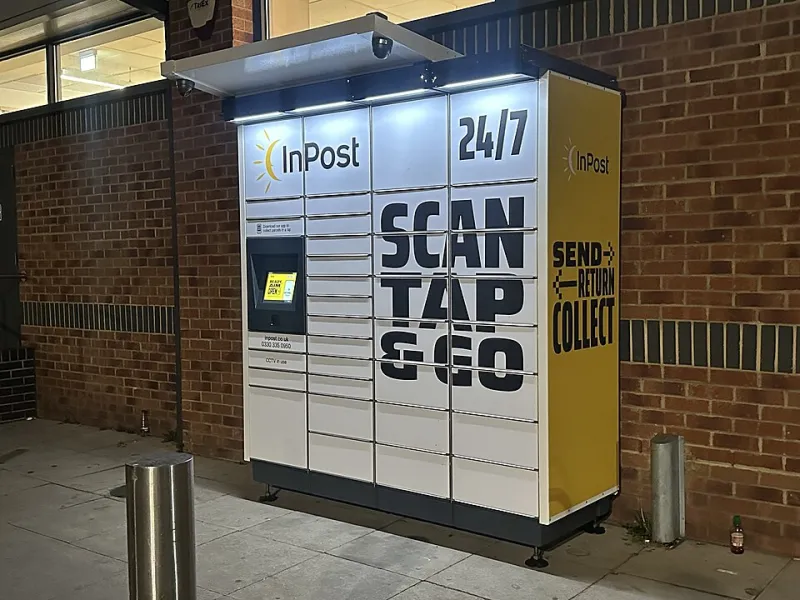
An access point may be a locker, a shop counter, a drop-off point or a label-printing terminal. It may be convenient and still unable to handle cash deposits, urgent mail, large parcels, returns advice or assisted transactions. Plain English would list the services available at each point, the opening hours and whether a trained person is present.
Network Change
This phrase can cover closures, mergers, relocations and altered collection times. It sounds technical and neutral. Communities should ask for a map of what is lost as well as a map of what remains. A network change that removes a staffed counter is a service change for the people who used it.
Four More Phrases That Soften the Ground
Consolidation often means fewer sites and longer journeys for the people who relied on the site that closes. Ask which communities will travel further, and by what means.
Flexible can be reasonable in a workforce context, but for customers it may mean less predictable opening hours and fewer familiar staff. Ask what flexibility means for the published service timetable.
Sustainable is used to describe a network that is financially or environmentally viable. The question is what has been made sustainable, and whether the answer is a reduced service. A sustainable post office should still be a post office.
Consultation can be genuine or timetable-driven. Ask who decides, what weight responses carry, whether alternatives will be published and how the equality impact assessment will be used. A consultation that offers only one viable option is not a choice.
How to Challenge the Wording
Start by asking for a plain-English summary of the change. Request the service matrix for every replacement point, the equality impact assessment and the decision timetable. Ask your MP, councillor and elected mayor to put the same questions in writing. If a public body is involved, ask for the information it used to justify the change.
In a consultation response, quote the vague phrase and replace it with a specific question. Instead of responding to improved access, ask which services will be available at the new point on a Tuesday morning in January. Instead of accepting modernisation, ask which transactions will end and which will remain. Specific questions are harder to answer with slogans.
Plain-English Tests
A proposal is not ready for public acceptance if it cannot answer five questions. What exactly will stop? Who will be affected, including older, disabled and rural residents? Who is the decision-maker and when will the decision be made? What alternatives were considered and why were they rejected? What service standard will apply afterwards, and how will it be monitored?
If those answers are missing, the wording is doing too much work. A cut by another name is still a cut. Communities should demand the plain version, in writing, before the shutters come down.