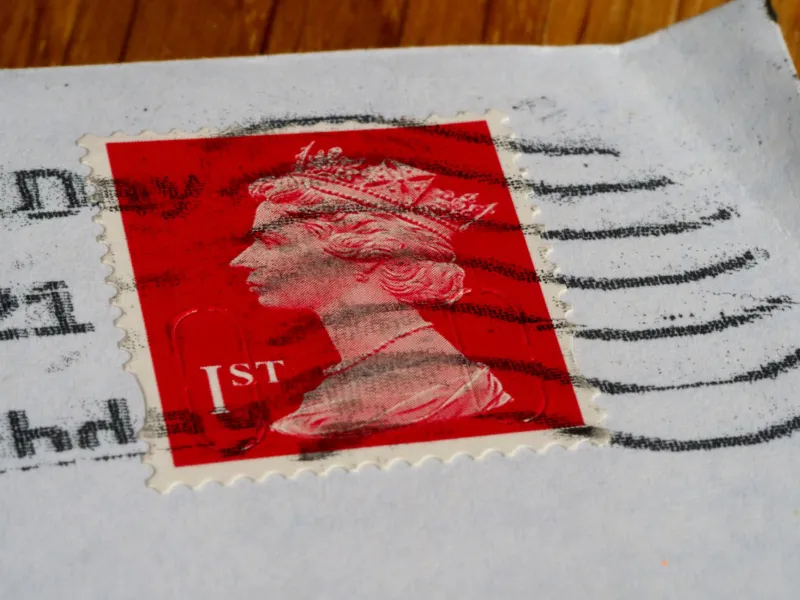
Democracy’s Last Mile: Stress-Testing the Postal Vote in 2026
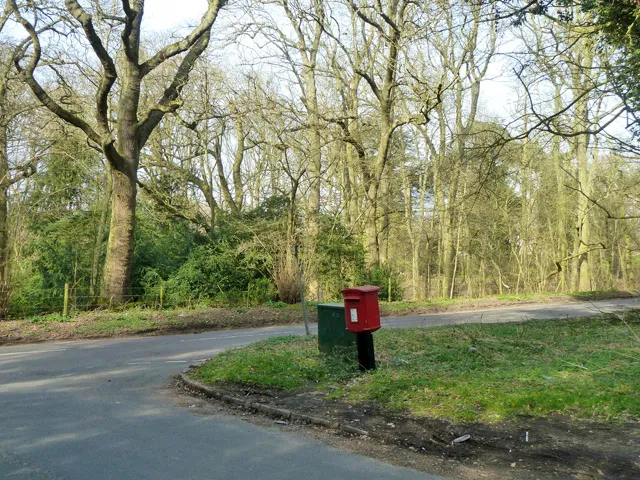
Photo: Robin Webster , CC BY-SA 2.0, via Wikimedia Commons
The 2026 local election year has turned a familiar administrative question into a test of public confidence: can the postal vote chain be relied upon when the last mile is under strain? For hundreds of thousands of electors — older residents, disabled voters, people in care settings, service personnel and households in remote areas — the answer does not arrive at a polling station. It arrives in an envelope, through a letterbox, on a round that may already be stretched.
Save Our Royal Mail has argued that postal services are civic infrastructure. The postal vote is the clearest example. Democracy depends on a timetable that is visible, auditable and resilient, not merely on a ballot paper being printed and posted. If a collection is missed, a postbox is out of service or a care home receives its packs late, the effect is not a minor inconvenience. It is a potential lost vote.
Why the last mile is a democratic utility
A postal vote passes through more hands and more fixed points than most public services. The application is processed, the pack is printed and issued, the envelope enters the Royal Mail network, it is sorted, carried to a delivery office, walked or driven to a door, completed by the voter, returned through another collection point and delivered to the returning officer. Each stage has a deadline. Each stage can fail.
The weakest link is usually the one closest to home. Collection times on pillar boxes and post office counters determine whether a completed ballot enters the system on the day it is signed or sits overnight. Delivery office staffing affects whether packs arrive with time to spare. Access points matter for voters who cannot reach a postbox easily. In rural areas, the distance between a letterbox and the nearest reliable collection can be measured in miles, not minutes.
That is why the postal vote should be stress-tested like any other part of the electoral process. It is not enough to tell voters to post early. Councils, candidates and communities need to know where the chain is weakest before polling day, not after it.
Where the chain is most fragile
Three groups deserve particular attention in 2026. The first is rural households at the end of long rounds, where a single missed collection or a changed delivery pattern can add a day to the journey. The second is care settings, where staff may be managing multiple residents' post and where a shared letterbox can obscure whether a pack has arrived. The third is households that depend on the last post because of work, caring responsibilities or disability.
There is also the question of access. A postal vote is only as good as the means of returning it. If a local postbox has been removed, suspended or has a collection time that does not match the published plate, voters may not discover the problem until the ballot is in their hand. The same applies to post office counters: a counter that closes early or a queue that stretches into the street can turn a routine errand into a barrier.
A readiness checklist for councils
Returning officers and council teams should be able to answer a simple set of questions before the next poll:
- Are issue and return dates published in plain English, alongside the last recommended posting dates and the alternatives for hand delivery?
- Has the council confirmed collection times for pillar boxes and access points in the areas with the highest concentration of postal voters?
- Are care homes, sheltered housing and supported living settings contacted early enough to confirm that packs have arrived and that residents have support to complete them?
- Is there a named contact for Royal Mail operational issues, and a route for reporting a missed collection or a suspended postbox?
- Are replacement packs and emergency proxy arrangements explained clearly, including the statutory deadlines?
- Is data on rejected or late-arriving postal votes reviewed after the poll, so that problems can be identified without compromising the secrecy of the ballot?
These are not party-political questions. They are practical tests of whether the system is fit for the electors who rely on it.
For candidates and campaigners
Candidates have a legitimate interest in helping voters use the postal system, but they must respect the rules that protect postal voting from undue influence. Campaigners should signpost official council guidance, avoid handling completed ballots and make clear that a ballot can be returned by hand where the rules allow. They should also know the collection times in the areas they are canvassing. A leaflet that says 'post it early' is less useful than a leaflet that says where the nearest reliable collection point is and when it is emptied.
Local parties can also act as sentinels. If a postbox is taped over, a collection time has changed or a delivery office is visibly under pressure, that information should be reported to the council and to Royal Mail, not simply noted after the result.
For voters and households
Voters should check their postal vote application status early, confirm the address and postcode on their application and read the instructions that arrive with the pack. Completed ballots should be posted as soon as possible, not left until the last collection. Where a voter is worried about the deadline, the council should be asked about hand delivery and replacement arrangements. Care settings should keep a simple record of which residents have received and returned their packs, without opening or influencing the ballot.
When a ballot misses the deadline
A late postal vote cannot be counted. That is the blunt consequence of a missed deadline. In limited circumstances a replacement may be possible, and emergency proxy arrangements exist for certain late emergencies, but these are tightly defined and cannot rescue every failure. The voter who posts too late, the household whose pack arrives after a bereavement or hospital admission, and the rural elector whose collection was missed all face the same risk: the ballot is complete, but democracy does not receive it.
The answer is not to blame voters for a system they did not design. It is to make the chain more visible and more accountable. The 2026 local election year has given us a test. The next poll will show whether we learned from it.